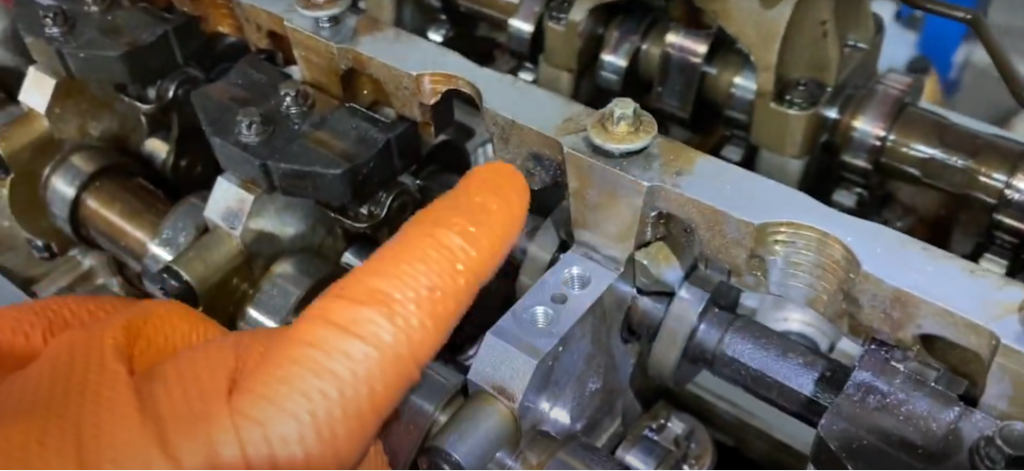
Working on classic cars or motorcycles often brings you face-to-face with common thread issues like cross-threading, damaged threads, or the need to create a new thread entirely. Thankfully, these challenges are manageable with the right tools and techniques. Female threads are cut with taps, while male threads use dies, both of which can be purchased individually or in sets.
Threads come in various forms, including metric and imperial, and specialized types like UNF, UNC, and BSW. Each thread type is defined by its pitch (distance between turns), the crest (top), the root (valley), and the flanks (angled sides). Even threads with similar pitch and diameter can differ, so a thread gauge is invaluable for identifying the type.
For cutting threads, start with a proper drill size—slightly larger than the minor diameter for tapping female threads. Use a taper tap for alignment, followed by second and plug taps to finish. For male threads, dies are gradually adjusted to cut deeper with each pass. Cutting oil is essential for smooth operation and to avoid breaking brittle tools. Whether repairing or creating threads, taking your time, using the right tools, and working methodically will ensure success. Fix the thread, fit the part, and enjoy the satisfaction of a job well done.
Credit to Jesse Crosse, Read the full article to Understanging tap, dies, and threads here.